Thursday, September 12, 2013

Kur paliek pazudušie joki? /// Where do the lost jokes go?

Vai ir kaut kas lieliskāks par jokiem? Varbūt ir.
Vai daudz kas ir lieliskāks par jokiem? Nē.

Lāsma, mana izcilā māsa, bija tikko pateikusi kādu mazu, neuzkrītošu joku, kuru droši vien būtu iespējams arī nepateikt, man viņš ļoti patika, īsi un ļoti, nekas tajā brīdī nebija labāks par to joku, un tad viņa vairs nebija, un man kļuva skumīgi par visiem tiem jokiem, kas uz mirklīti uzšvirkst un tad pazūd. Kur viņi visi paliek, izbijušie joki? Viņi taču rodas atkal un atkal, visu laiku, un pazūd un zūd, un nevar viņus paturēt prātā.

Man nekad nebija pienākusi sajūta par joku pārejošuma skumīgumu. Kur visi mazie jociņi dodas, kad ir izteikti un uztverti? Viņus neviens ar sedziņām neapsedz un nesamīļo. Un vispār jau izšķerdīgi, tik izcili joki aiziet nesasniedzamībā, atstāstīt grūti un nav gluži tas, trūkst elementu, kuru ietekmē viņi radās.

Man reizēm gribētos, lai visi zinātu, kādu lielisku jokus kāds ir pateicis, tajos brīžos, kad man gribas dalīties. Dažreiz es arī mēģinu, un reizēm sanāk vāra smieklīguma atblāzma, ja pareizi uzsveru vajadzīgās vietas, taču ne tik ļoti smieklīgi kā bijis, un citreiz sanāk pavisam tizli. Kad man negribas dalīties un es turu jociņu pie sevis, viss ir ļoti labi, vienīgi ārkārtīgi ierobežots daudzums joku, ko var paturēt pienācīgā atmiņā.

Protams, nav jāsaka joki visur un ar visiem. Ne visas vietas ir attiecīgas noskaņas rosinošas. Man šķiet, ka neviens cits nezina, cik mana Lāsma prot lieliski jokoties, jo visu labāko viņa pietaupa man. Es vienkārši gribu pateikt, ka, ja neveidojas jokus ģenerējoša atmosfēra un nav joku indikatora, tad jociņu nebūs, un ļoti iespējams, ka ne tāpēc, ka otram netīk smieklīgas lietas. Piedāvāju dažus izskaidrojumus, kāpēc tad tā:
1) jūs neesat pietiekami labi pazīstami,
2) otrs ir introverts un nedāļājas pa pasauli ar saviem izcilākajiem sasniegumiem jokzinībās,
3) jums nav un visticamāk nekad nebūs joku konekšens,
4) tu vai kāds cits ir gaisotnes maitātājs,
5) tu esi galīgi dumjš un otram negribas jokot,
6) tu neesi īsti gudrs un neuztvēri smalkas asprātības.
Un vispār jau žēl, ka es nekad neuzzināšu, cik kādam labi joki tikai tāpēc, ka slikti iedarbojos uz viņa joku produkciju. Lai gan, ne tik žēl kā par joku zūdamības likumu.

Joki ir ekskluzīvi, gaistoši un neatgriezeniski. It kā pa īstam, it kā ne, jokos nevar samelot, no jokiem taču negaida patiesību. Viņi ir tāpat vien, bet var izrādīties, ka ne gluži, šī jaukā nenoteiktība. Man jau arī vienmēr patīk, ja mani izklaidē, un joki ļoti labi izklaidē, tas ir inteliģenti un priecīgi, visiem taču patīk būt izklaidētiem un sabiedrībā ar labu noskaņojumu.

Un es domāju, ka cilvēki, kuri saka jokus, ir gudri un tādiem var uzticēties. Asprātībām taču nepieciešams ass prāts, hoho, un neuzkrītoša novērtēt un uztvert prasme, žigla reakcija, atmosfēras un savstarpējo attiecību izjūta, laba gaume, un arī laba atmiņa jokošanai diez vai ir nodarījusi kaitējumu. Vārdu sakot, cilvēki, kuri saka labus jokus, saprot lietas. Sasmīdināt nav gluži vienkāršākais darbiņš pasaulē, nav arī gluži sirds transplantācija, taču dzīvīguma uzturēšanai visai esenciāli. Pat, ja visi joki nav labi, ja joku kopiespaids un to lielais vairums ir forši, daži kritieni ir jāpiedod. Es mēdzu uzskatīt, ka labāk būt lielā mērā foršam un mazā mērā neforšam nekā nekādā mērā foršam un nekādā mērā neforšam. Labāk izteiksmīgais komplektiņš, vai ne. Var jau arī gadīties, ka es kāda joka lieliskumu nespēju aptvert vai nu savas nesaprātības dēļ, vai arī nespējas distancēties no personiskās iesaistības dēļ. Man liekas, tik daudzi joki būtu vienkārši dievīgi, ja vien nebūtu vērsti pret mani, bet, kad mazliet padomā, tie tik un tā ir labi joki, un cilvēki ar labiem jokiem arī parasti ir labi, un vispār, tie, kas pārāk daudz pret mani vērš jokus, man mēdz būt ļoti mīļi. Un ļoti bieži tie, kuri mani gluži vai izaicina uz jokiem par sevi, man ir ļoti mīļi. Iespējams, otrs variants, ja viņi nav mīļi, tad viņi ir kaitinoši, un ironija novada tracināšanas potenciālu.

Mēs ar Katrīnu reiz runājām, ka tas ir ārkārtīgi aizdomīgi, ja kāds cilvēks nemaz nejokojas, tādiem nevar īsti uzticēties. Jābūt taču spējīgam uz vissīkāko jociņu kādā izmeklētā sabiedrībā, uz tik sīku, ka to var nepamanīt, taču jokotiesspēja, tas ir svarīgi, jā. Ironiskiem cilvēkiem galējos gadījumos var pārmest tikai robežu izjūtas trūkumu vai neiejūtību, bet pamatā jau spēja ironizēt liecina par cilvēka spējām, un diemžēl katra jūtas ir viņa paša darīšana un lauciņš, ar ko tikt galā.

Tas droši vien ir saistīts ar mirstīgumu, joku gaistošums atgādina par nāvi, vai ne, vai ne. Kas tik neatgādina par nāvi, ja tā padomā un arī, ja nepadomā. Tāpēc jokot ir drosmīgi, dzīvelīgi un derīgi, un visiem nāk par labu. Pieļauju, ka civilizācija var būt dzīvotspējīga ar pārliecību par pēcnāves eksistences neesamību, bet bez smieklīgā un jokainā, nu nē, nu nē. Tā nevar. Tā ir viena no retajām lietām, kas skaistuma trūkumu apkārtnē padara mazāk nomācošu.

Un varbūt tomēr ir kāda vieta, kur pulcējas un drūzmējas visi pateiktie, novērtētie, nenovērtētie un noklusētie joki, un tādā vietā cilvēkam būtu grūti, jo būtu pārāk daudz jāsmejas, jābūt viegli aizkaitinātam par muļķīgiem joķeļiem, un vēl citus nesanāktu saprast vispār, taču visticamāk, tādas vietas nav, un lielākā daļu joku,  ironisku piezīmju, apslāpētu smīniņu un zīmīgu saskatīšanos pagaist un nenokļūst nekur. Un vienīgais mierinājums, ka jokošana ir pietiekami mūžīgs mehānisms.


^^^^^

Is there anything greater than jokes? Possibly yes.
Are there many things greater than jokes? Nope.

Lasma, the splendid sister of mine, had just uttered a tiny, subtle joke, which might had stayed unsaid, and I liked it so much, briefly and very. At that moment there was nothing better than this joke, and when it was over, I got sad about all those jokes that gleam lightly for a moment and then get lost for good. Where do they all go, the former jokes? They appear anew all the time, they vanish and disappear, and they don't really stay well on the mind.

Never before the sadness of the passing of jokes had occurred to me. Where do all those tiny jokes end up, once they are expressed and perceived? No one tucks them up in bed, no one wishes them goodnight. Actually, it is such a waste to let brilliant jokes leave for good, all alone and unattainable. It is difficult to retell them and it is never the time, cause the elements that made them arise are missing.

Sometimes I wish everyone got to know some  excellent joke that someone has told me; a situation like this may occur to me during the moments when I'm willing to share. Occasionally I do try to retell a joke, and now and then some reflection of 'funny' can be spotted, if I manage to press on the vital points. Still, it is never as funny as it once was, and there are times when the retold joke comes out clumsy and useless. When I don't want to share and I keep the joke to myself, everything works quite fine. The only thing is, the amount of jokes I can keep in my mind properly, is quite limited.

Of course, jokes don't have to be told everywhere and with everyone. Not all places are joke-friendly, not all of them favor the birth of the funny. I suspect that people rarely realize Lasma's joking abilities, since she saves the very best of it for me. What am I trying to say is, if the atmosphere does not support sallies, nor is there a joke indicator, there won't be any jokes. The creation of a joke is unlikely not because the person you are talking to doesn't  appreciate funny things.  I propose several reasons why someone might not joke in the presence of yours:
1) you are not familiar enough,
2) the other one is introvert and doesn't scatter all over the world all his highest achievements in joke studies,
3) you haven't got, and never will, the joke connection,
4) you or someone else spoils the atmosphere,
5) you are quite dumb, so the other one has no desire to joke in your presence,
6) you are not smart enough to catch subtle wit.
Actually it's a pity that I'd never know how great someone's jokes are just because I affect badly their production of jokes. Not as pity as the law of the destruction of joke, though.

Jokes are exclusive, transitory and irreversible. They are a bit true, a bit untrue, one cannot lie when joking, no one expects truth, or seriousness. Well, at least one shouldn't. They are just so, but it can turn out, that they are not entirely just so - the pleasant vagueness. I always like to be entertained, and jokes do that very well. It's intelligent and fun, everyone likes to be well entertained in the company of good mood.

I also think that the persons who joke are intelligent and reliable. Wit calls for an acute mind, doesn't it, as well as for subtle abilities to perceive and evaluate, quick reaction, sense of the atmosphere and interconnections, good taste, and so far good memory has not done any harm either. Shortly, people who tell good joke understand things. To make someone laugh is not the easiest task in the world, nor is it a heart transplantation, still, in order to keep up the liveliness, laughing is quite essential. Even if not all of the jokes are good, those few falls should be forgiven, if the majority of jokes and their overall appearance smells fine. I tend to think that it is better to be a lot nice and a little nasty than to be not nice at all and not nasty at all. Always choose the set with more qualities, right. I keep in mind that I might be unable to get the greatness of a joke due to my lack of sagacity or due to being too much personally involved in it. I guess so many jokes would seem brilliant if they weren't pointed at me. But when I think for a little while, I have to admit that they still are good jokes, and people who tell good jokes usually are good people. Also, the ones who make fun of me tend to be very dear to me, and conversely, the ones that I can't resist to make fun of are very dear to me too. Unless instead of being dear they are irksome, and can do nothing but use some irony to prevent madness.

Once we talked about it with Katrina, that it is highly suspicious when someone doesn't joke at all. You can't trust people like that. One has to be capable at least of the weeniest joke in a carefully selected society. It can be so weeny, that nothing might be easier than missing it out, yet the joking ability does matter, indeed. In extreme cases ironical people can be only reproached for their lack of the sense of boundaries or for their insensitivity, although fundamentally irony proves the abilities of a person. Also, unfortunately, one's  feelings is everyone's own business and one has to cope with them by himself.

It's probably linked with mortality, the passing character of jokes reminds of death, doesn't it. Is there really anything that doesn't remind of death, if I come to think of it and also if I don't come to think of it. Therefore it is brave, lively and useful to joke, it is good for everyone's health and well-being. I suppose a civilization may be viable even if it had adopted belief in the non-existence of afterlife, but without the funny, it would be oh so impossible. The funny and comical is one of the few things that almost make up for the shortage of beauty in near surroundings, and make it less unbearable.

For all that, there still might be a place, where all the said, appraised, understated and unsaid jokes gather and crowd. It would be hard for a person in such a place with too frequent laughing, light irritation about silly sallies, loads of jokes, that one is not even able to get. The most likely though, there is no such place at all, and the vast majority of jokes, ironic comments, choked grins and meaningful exchanging of looks vanish and get nowhere. The only comfort we are given is the fact that joking is mechanism eternal enough.


Tuesday, September 3, 2013

Mājas dzīve piekrastē /// Coastal home life

Darba ainiņas no mājas dzīves, kad jūnijā dzīvojos ar Lauru un Eko.

^^^^^
Some work sights from home life, when I was spending my time in June with Laura and Eko.


Laura, Eko


Lauras tēta īpašais lācītis /// The special bear of Laura's dad

Lauras īpašais krekliņš un Zvaigžņu karu grāmata /// Laura's special sweatshirt and Star Wars book


Eko pašā slinkumiņā /// Eko at his laziest

Valdzinošie bērnudārza mirkļi /// The old charming kindergarden times


Lana, be our guest


Tuesday, August 27, 2013

Ko darīt Parīzē /// What to do in Paris

Parīze, pilsēta, kur meitenēm ciest.

^^^^
Paris, a place for girls to suffer.


La Défense

Montmartre


(photos: Romans)
Paris, October 2012


Monday, July 29, 2013

Aitu vērotāji /// Sheep watchers

Ričards: "Katrs Auns dzīves laikā ir pelnījis lodi pierē."

^^^^^
Ricards: "Every Aries deserves a bullet in the head once in a lifetime."


Drumnadrochit village


Svaru vērotāji /// Scale watchers


River Enrick


aitiņas bēg prom /// sheep running (or moving) away


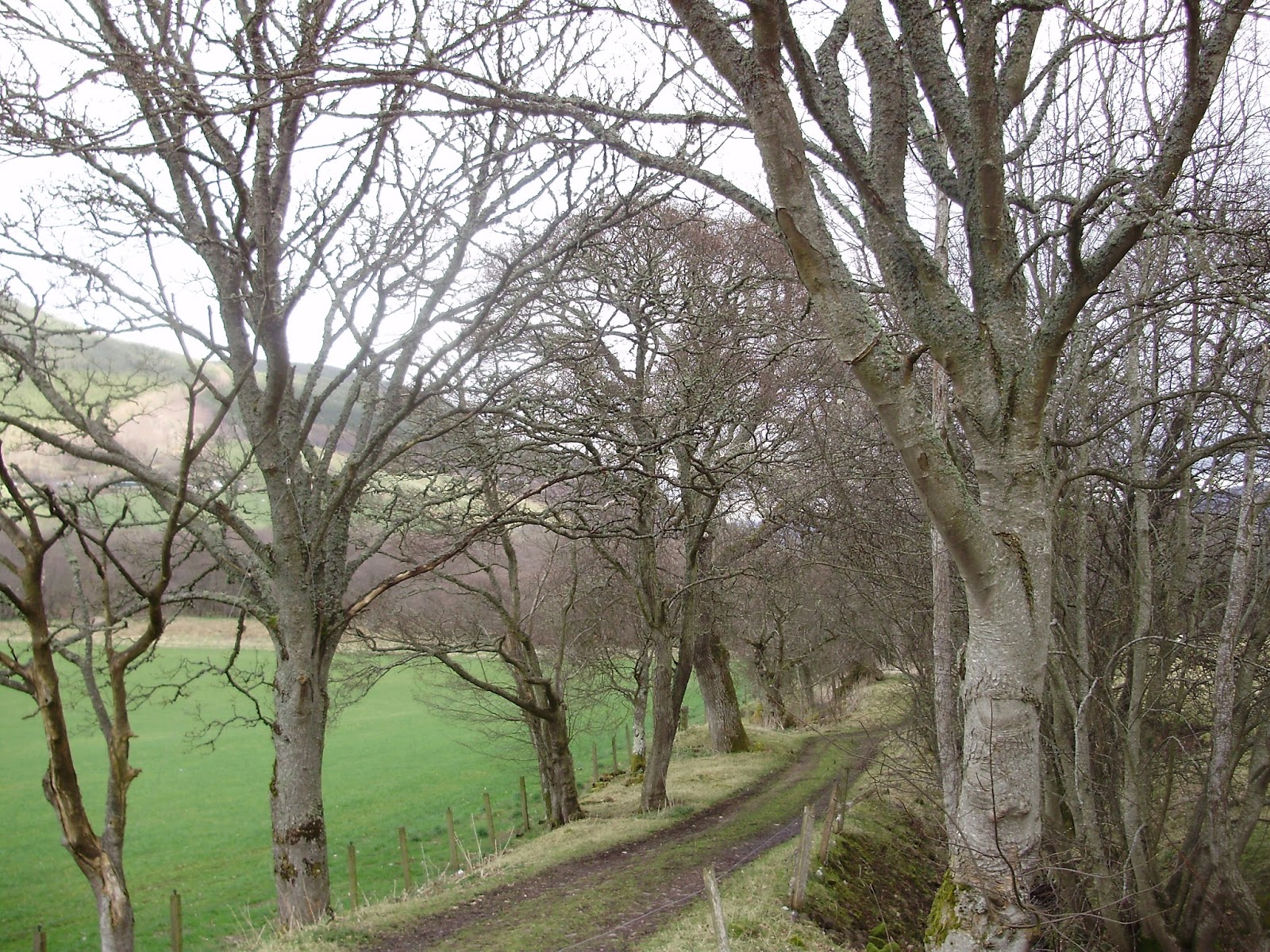
forši koki alejā, vai ne /// cool trees, aren't they

aitas paparaci /// sheep paparazzi

mākonīši ar sejiņām peld pļaviņā /// clouds with faces on the field


kadiķu ziedi /// juniper blossoms

Urquhart Castle


Lohness un viņa pelēkie viļņi /// Loch Ness and its grey ripples


Libra, Aries, Leo

auna piere

aitu pilna nogāze /// a sheepful hillside


Jānis, Ričards un Elīna ciemos pie Nesijas Lohnesa ezerā 2011. gada 1. aprīlī; dienā, kad pasauli papildināja bariņš jaunu jēriņu.

^^^^^
Janis, Ricards and Elina visiting Nessie in Loch Ness on the 1st of April, 2011, the day when a bunch of brand-new lambs were imported into the world.


Monday, July 8, 2013

Fabula par dziesmīšiem /// Fable on the Song fest

Es vakar un aizvakar biju laukos, vakar un aizvakar bija Dziesmu svētki, aizvakar vecāmammai izbira uz galda sāls.

Vecāmamma.: Būs jāstrīdas!
Es.: Ar ko nez?
Vecāmamma.: Gan jau ar Visvaldi, viņš tāds strīdīgs.

Vēlāk vakarā.
Vecāmamma: Deju svētkus tu vispār nevari paskatīties, vienu deju! Kas tas ir - viena deja! Tev tikai krievus paskatīties, latviešus vispār nevari skatīties.
Visvaldis: Rīt būs atkārtojums.
Vecmamma: Kāds atkārtojums!! Rīt būs Noslēguma koncerts!
Visvaldis: Nu, to pašu, tikai dziedās.
Vecāmamma: Ka nevar saprast - Noslēguma koncertā citu dziedās!
Visvaldis: [meh] Var taču iet skatīties uz otra televizora. Ir taču divi televizori, jomajo!
Vecāmamma: [pauzite, neitrāli] Mazs ekrāns. Tev tikai krievus un čigānus. Latviešus izturēt nevari, pff.

Morāle.
Neizbērt sāli Dziesmīšu laikā, ja nealksti nacionāla rakstura strīda ar savu tuvāko.


^^^^^
Yesterday and the day before yesterday I was in the countryside, yesterday and the day before Latvian Song and Dance Festival [huge festivities once every five years] took place, the day before yesterday my grandma  poured salt on the table unintentionally.

Grandma: It means I'll have a fight with someone.
Me:  Who might that be?
Grandma: Visvaldis, most probably. He's quite quarrelsome.

Later in the evening.
Grandma: You can't even watch the Dance festival properly, the maximum you're able to stand is one dance! What's one dance?! You'd rather watch nothing but Russians, you can't watch Latvians at all.
Visvaldis: They'll rerun it tomorrow.
Grandma: Rerun, yeah, right! They'll show the gala tomorrow!
Visvaldis: Well, that's the same, only singing.
Grandma: What's here so impossible to understand - they'll sing very different songs from the ones they dance to today!
Visvaldis: [meh] There's still an option to move to the other room to watch this on the other TV. We've got two TVs, for God's sake!
Grandma: [pauses, neutrally] The screen's small. You want nothing but Russians and Gipsies. You can't bear Latvians at all, pff.

Morals.
Don't pour the salt on the table, unless you crave a national problem disposed fight with your next of kin.


Thursday, June 27, 2013

Šīs dienas tēma: Jēzus Tevi ienīst /// Today's Topic: Jesus Hates You

Man tik ļoti patika pavadīt bērnu uz baznīcas kori. Tā bija pirmā diena, kad es Lauru pieskatīju, un mēs ar riteņiem braucām pa ceļu, pa kuru es vēl nebiju braukusi. Tas ir brīnumdaiļš ceļš, zaļas lapiņas ielenc no abām pusēm un mainās, un braucot pārsvarā ir jādomā par to, ka vai, vai, vai, cik skaisti. Saule nepārblieza krāsas bālas, tradicionālā izpratnē saules nebija. (Protams, ja es būtu piecgadīgs bērnudārznieks, kurš nesen kā uzzinājis, ka vienmēr, kad ir diena, Saule ir uzlēkusi, es tā vis neteiktu. Kad mums bērnudārzā bija mūzikas nodarbības, mēs iedziedāšanos sākām ar dziesmiņu "Šodien ārā saulains laiks," vai "Šodien ārā mākoņains." Un kad bariņš vecāko bērnudārznieku apjauta Saules klātbūtni jebkurā mākoņainā dienā, mēs vienmēr dziedājām tikai par saulaino laiku.)
Man bija pusnakts zila kokvilnas kleita un košāk zils mētelis, ļoti piemērotas drēbes, lai dotos uz baznīcu, manuprāt. Ja apkaimē Jēzus ir aktuāls, var pilnīgi mierīgi vilkt kleitu vai svārkus, braucot ar riteni, jo par svārku plīvošanas piedienību taču būtu jāparūpējas Jēzum.
Es biju patīkami iepriecināta par Hailigenhāfenas kristietisko raksturu. Tā jau vāciešiem laikam ir, taču tas piemirstas un ir īsts svaigumiņš. Vēl svarīgāk par Jēzu Hailigenhāfenā ir burāšana un visi maritīmie aspekti, un tāpēc  kristietības un kuģniecības sadarbība šķita īpaši mīlīga. Baznīcā saprot, ka kuģi ir hailigenhāfeniešiem ir sirdij tuvāki par Jēzu, tāpēc stiepj viņus tik iekšā baznīcā. Šur tur randomā pilsētiņā bija pāris krusti, un savukārt baznīcā no griestiem karājās vairāki kuģu modeļi, kas maskējās par svečturiem izmēra un smalkuma ziņā. Tas bija tā ļoti uhh, man patika, tiešām ļoti mīļi. Būtībā esmu arī par saprātīgu eklektiku, kad saliek kopā visu, kas patīk, un kāpēc gan ne burinieki un krusti.

Mēs ar Lauru braucām pa baznīcas pakalnu, tobrīd notika kāzas, mēs izbraucām cauri kāzu viesu grupiņām. Zvanīja baznīcas zvans, vīrietis ar cilindru galvā gaidīja pie mašīnas durvīm, cilvēku skatieni uzmanīja baznīcas durvis. Braucot gar baznīcas sānu sienu, zvani turpināja zvanīt un no otras puses uz manu pusi lidoja nedaudzi ziepju burbuļi. Es skatījos, kas ir viņu autors, taču nevienu neredzēju. Neuzķēros jau uzreiz uz dievišķu zīmi, burbuļiem, kas paši pūšas, taču reizēm ir tik patīkami, kad pūles nevainagojas panākumiem. Tajā brīdī es domāju, cik man ļoti patīk tas, kas man jādara, jāpavada bērns uz baznīcas kori, un patīkamu lietu vienlaicīguma maģiskums, kurā es iebraucu un no kuras izbraucu, pirms tas vēl ir beidzies.


^^^^^
It was so adorable to take the kid to the church choir. It was the first day when I was looking after Laura, and we were riding bikes on a road which I hadn't seen before. It was a marvelous road, green leaves enclosing from both sides and changing as fast as I rode. While riding, the predominant thought was 'oh, oh, oh, all this is so beautiful". The sun didn't over-illuminate the colors to the paleness; there was no Sun in the traditional sense of 'Sun'. (Of course I wouldn't say this if I was a 5 years old kindergarten kid, who had recently got to know that actually the Sun was present whenever it was day, and not only during the sunny days. In kindergarten we were in a habit of beginning the singing practice with a rhyme - "It's sunny today" on the sunny days or "It's cloudy today" when it was dull outside. When the older kids had grasped the presence of Sun on every single morning, no matter the weather, we kept singing nothing but the "sunny" rhyme.)
I was wearing my midnight blue cotton dress and brighter blue summer coat - very suitable clothes to go to church, I think. If Jesus is trending nearby, one can sport dress or skirt while riding bike with no worries. One can be pretty sure Jesus would take care of the decency of one's skirt's fluttering.
I was pleasantly surprised  about the Christian characteristics of Heiligenhafen. I suppose it is nothing outstanding among Germans, still for me it was something quite forgotten and therefore fresh. For all that, sailing and all the maritime aspects count among the very highest ones, so the collaboration between Christianity and sailing is such a sweet one. In the church they understand, that ships are closer to the hearts of Heiligenhafen inhabitants, and that's why they bring them into the church. Here and there in the village some random crosses can be found, whereas several ship models can be seen hanging from the ceiling and disguising themselves as chandeliers, due to their size and delicacy. That was something impressive, very sweet indeed. Fundamentally I am in favour of reasonable eclectism, putting together everything one likes. And why shouldn't it be ships and crosses.

Laura and I were riding on the church hill, and at that time a wedding took place there, and we passed the groups of wedding guests. The church bells were ringing, a man with top hat waiting at a decorated car, guests keeping an alert eye on the church door. While riding along the church, the bells kept ringing, and from the other side a few soap bubbles were approaching me. I looked for their author, but couldn't find anyone. I wasn't so naive to buy immediately that this was some divide providence - the bubbles, that blow themselves -, still occasionally it feels really nice, when the efforts do not result in any success. At that moment I was thinking, how very much I enjoyed what I had to do, to take a kid to church choir, and the magic of simultaneity of pleasant things. I got into it and got out of it before it all had ended.


Wo sie auch ruhen im Meer und Land /// Kur viņi dus gan jūrā, gan zemē /// Where they rest in see and land

/ Sie sind gefallen in Gottes Hand /// Viņi ir iekrituši Dieva rokā /// They have fallen into God's hand

Baznīca, kurā kuģu modeļi karājas pie griestiem tikpat bezrūpīgi kā lampas. /// A church where ship models hang in an equally nonchalant manner as chandeliers


Little Lord Jesus


Es piemērotā apģērbā pie baznīcas. /// Me dressed suitably for the church.


Pie Jēzus lielā galda - kora notis un pleimobiļa cilvēciņi. /// At the huge table of Jesus - Choir sheet music and Playmobil people

Ētika 3a /// Ethics for 3a

Izkrāso Ābramu un Sāru! (Ētikas burtnīca) /// Paint Abraham and Sarah! (Exploring Ethics' notes)

Jāzepam vienreiz bija sapnis. /// Once Joseph had a dream.

Jāzeps izpalīdz faraonam. /// Joseph helps out the Pharaoh.

Izmirstošie dzīvnieki, pret kuriem jāizturas ar žēlastību. /// Endangered species that deserve mercy.

Trusis un, hm, tārps? /// A rabbit and, well, a worm, I guess.

"Jēzus sirds!" Apgaismotā Jēzus sirds! Nevis "parastā sirds, bič." /// "Heart of Jesus!" The illuminated heart of Jesus! Not any "ordinary heart, bitch."


Es pēdējā laikā esmu daudz laika pavadījusi televizora tuvumā. Piedevās apkopoju neaizmirstamākās frāzes, kuras es, saprotams, būtu aizmirsusi, ja nebūtu pierakstījusi, un par dažu precizitāti man joprojām ir šaubas, taču es izvēlos izlikties, it kā tas uz mani neattiektos. Citāti avoti gluži precīzi attēlo pārraižu spektru, kuru ietekmes laukā esmu atradusies. (Izņemot dažas multenes un muļķīgu ārstu seriālu, kurā nebija nekā citējama.)

Kobra, viens no Semīriem francūzim: "Izņem no mutes varžu kājiņas, tad runā ar mums."
Simpsoni: "Kādu dienu tu kādu slepkavu padarīsi ļoti laimīgu, taču tas nebūšu es."
Garfīlds, tikko izmetis Odiju ārā no mājām: "Reizēm kucēniem nepieciešama skarbāka mīlestība. Tas norūda raksturu."
Smalkais stils, Onslovs: "Cilvēks nevar but maizes pelnītājs un dzejnieks vienlaikus."
Smalkais stils, Hiacinte Ričardam: "Es raugos, lai tava dzīve plūstu kā rāma un mierīga upe, un tā tu man atmaksā."
Simpsoni: Šīs dienas tēma: "Jēzus Tevi ienīst."
Smalkais stils, Onslovs: "Es te sēžu pilnīgi nevienas alus pudeles ielenkumā!"
Simpsoni, Homērs: "Bārt, Bobs tagad ir ģimenes cilvēks. Tu nevari būt slikts cilvēks, ja tev ir ģimene."
Puaro, Puaro:  "Mazas dāvaniņas reizēm var būt tik satraucošas."
Puaro, kapteinis Heistingss: "Būt izskatīgai meitenei reizēm var būt grūti."
Puaro: "Jūs vienmēr iežēlojaties par jaunām, daiļām dāmām, bet es vienmēr izjūtu žēlumu pret vecām, slimām kundzēm."
Smalkais stils, Onslovs: "Es nesaprotu, ja mums ar pērtiķiem kopīgi ir 985 gēnu un cilvēka gēnu ir tikai 2%, kāpēc man no rīta gribas smēķi, nevis banānu."
Simpsoni:  "Paldies, ka izvēlējāties mani par savu slepkavu. Jūs sekosiet Sokrāta, Viržīnijas Vulfas, Ernesta Hemingveja, Hantera S. Tompsona un Freda Kanikī pēdās."
Simpsoni: "Sevi nogalināt nav tik viegli, kā uzvilkt neglītu džemperi - kā jūs to izdarījāt šorīt."


^^^^^
Recently I have spent quite some time near TV. As a side dish I'll be serving here a collection of the most unforgettable quotations, which, of course, I had easily forgot unless I didn't write them down. The accuracy of some of them is still questionable, but I've decided to pretend that this didn't concern me not to the least extent. The choice of quotations shows very well the range of broadcasts, that I have spent my time with the most. (Except for some cartoons and a silly doctor TV series, they didn't have anything quotable at all.)


Alarm for Cobra 11, one of the Semirs to a French man: "Take those frog legs out of your mouth, then talk to us."
Simpsons: "You know, you'll make some murderer very happy one day, but it shan't be me."
Garfield, having had just thrown out Odie out of the house: "Sometimes puppies need a little rougher love. It toughens personality."
Keeping Up Appearances, Onslow: "One can't be breadwinner and poet at the same time."
Keeping Up Appearances, Hyacinth to  Richard: "I"m trying to make your life flow as long, quiet river, and this is how you repay me."
Simpsons: "Today's Topic: Jesus Hates You."
Keeping Up Appearances, Onslow: "I'm sitting here surrounded by not a single bottle of beer!"
Simpsons, Homer: "Bart, Bob is a family man now. You can't be a bad person if you have a family."
Poirot: "Little gifts can be so upsetting."
Poirot, Captain Hastings: "A good-looking girl has a hard time of it."
Keeping Up Appearances, Onslow: "I don't understand, if we share 98% genes with primates like apes and have only 2% human genes, why in the morning I want to have a smoke and not a banana."
Poirot: "Ah, Hastings. Always you are full of charitable feelings to the young ladies, who are beautiful, huh? As for me, I am always full of the charitable feelings to the old ladies, that have maladies."
Simpsons: "I am so honored that you've chosen me to murder you.
You'll be following in the footsteps of Socrates, Virginia Woolf, Ernest Hemingway, Hunter S. Thompson and Fred Kanickee."
Simpsons: "Killing yourself isn't as easy as putting on an ugly sweater like you did today."