Tuesday, April 9, 2013

Laikapstākļi II: Neveiklās epizodes ar lakricu, ziemu un kabatlakatiņu /// Considering weather II: Awkward moments featuring liqourice, winter and a tissue

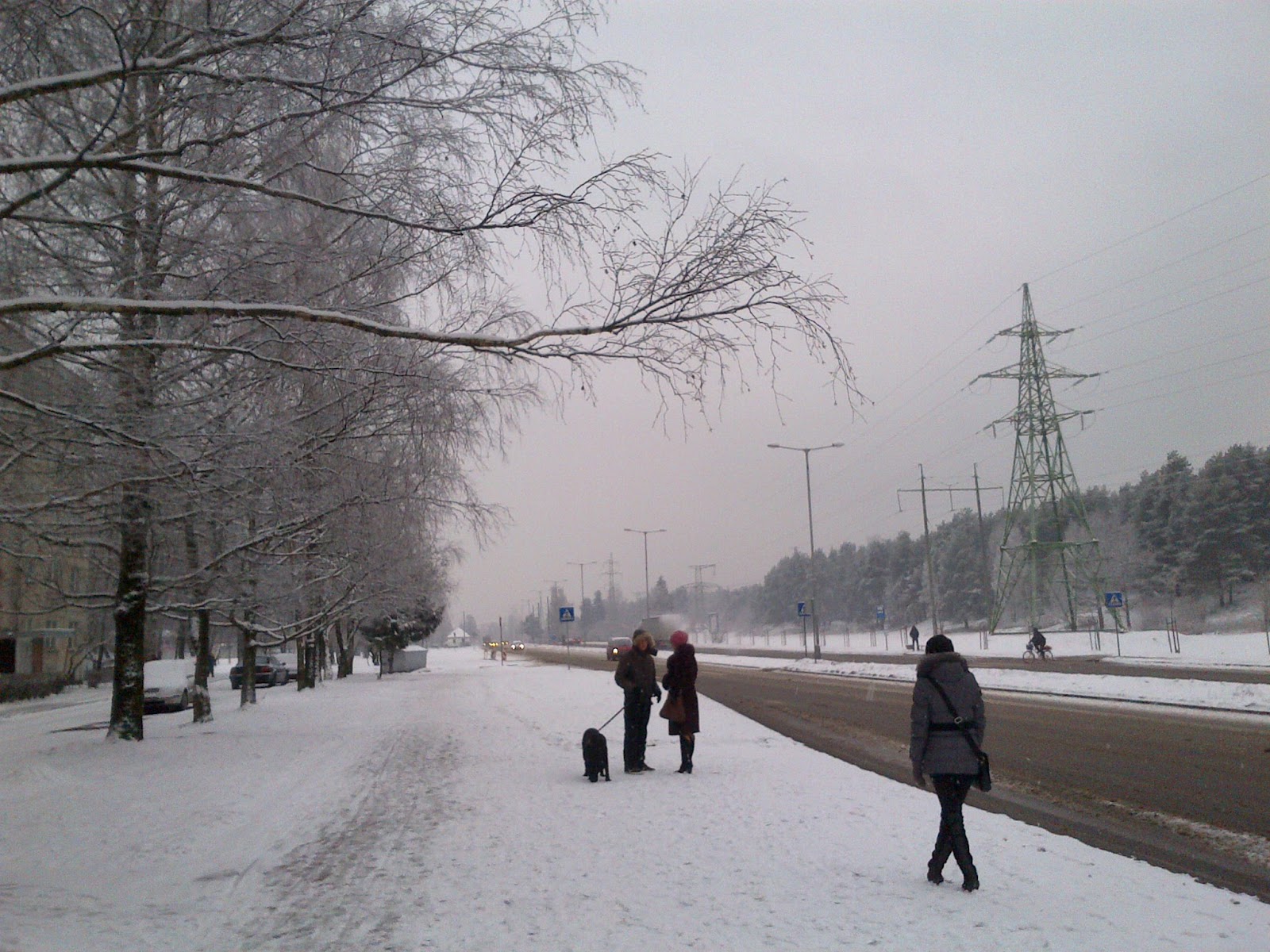
Lielākoties tagad, kad pavasaris tā arī nav pienācis, vairs pat nav ļoti slikti un briesmīgi, tikai visai savādi. It kā Latvija būtu iekļuvusi atriebīga maga uzmanības lokā un uz mūžiem būtu aizmirsta mīnus grādos. Liekas, ka pavasaris šogan vienkārši nav noticis, nav tādas lietas kā pavasaris. Un, skatoties uz piesnigušiem kokiem, baltu perspektīvi un ziemas blāvām debesīm, brīžiem pat nav pārāk slikti. Vizuāli tas izskatās labi, pusastoņos vakarā, kad joprojām norisinās gaisma.
Vienīgi, tā kā nenotiek pavasaris, man vairs nav drēbju, ko vilkt, un, kad es visu laiku velku vienas un tā pašas drēbes, es viņās iesalstu. Katrīna to noformulēja kā iesalušas drēbes -> iesaluši noskaņojumi, un tā ir tā biedējošā iestigšana. Šogad ziema turpinās un turpinās, tikai kļūst arvien gaišāks (iespējams, drīz tiks sasniegts polārajai naktij līdzīgs un pretējs stāvoklis - polārā ziema gaismā). Un, lai arī gaišāks kļūst un katru vakaru novērojami netradicionāli dabas skati ar piesnigušām ainavām gaišos, vēlos vakaros, nekas jau īsti nemainās, un man nešķiet, ka kādam vēl ir cerības uz patiesu pavasari. Tomēr laikastākļi jāpārspriež ir regulāri, jo tas ir tas, kas interesē un satrauc.
Reizēm gribas novērsties no ārpasaules ar visiem viņas stindzinošajiem sniega pūtieniem, citreiz stoiciski jāskatās ārā pa logu, un objektīvi nav neglīti. Tas tikai nav tas, ko šobrīd gribas. Kaut kā neveikli šogad sanācis.

Es Lieldienu brīvdienās 3-4 dienas neizgāju ārā no mājas un dzīvojos naktskreklā un halātā, un daudz skatījos seriālu. Es daudz mājās biju viena pati, tas man patika, es biju lācītis midziņā, un man nebija nekā kopīga ar āru. Varbūt vienīgi tas, ka mums abiem sanāca drusku neveikli - āram ar Lieldienu ziemu un man ar kabatlakatiņu.
Es tumsā viena pati skatījos seriālu, un tā kā seriālā bija diezgan šausmīgi, man 20 minūtes bija ļoti jāraud, un es pa tumsu meklēju kabatlakatiņu. Pirms pāris dienām bija bijusi filmēšana, un es joprojām visas mantas nebiju līdz galam sakārtojusi. Es pasniedzos pavirši ārā izvilktu mantu klājienā pēc kabatlakatiņa, taču seriāla asaras diemžēl nebija viņa pirmā profesionālā pieredze kabatlakatības karjerā.
Kad filmēja biroju un man īsti nebija, ko darīt, es slaistīgi gaidīju tādā kā recepcijas daļā, kur bija akvārijs ar zivtiņām, dažādu krāsu mapes un pīts saldumu trauks. Es biju rūpīgi iepazinusies ar zivju dzīvi, mapes mani neinteresēja, un es nolēmu izpētīt saldumu trauka saturu.
Es ieraudzīju mazus, melnus gumijainus nieciņus, taču man vairs nepietika laika aptvert, ka viņi izskatās pārliecinoši negaršīgi. Pirkstiņi jau bija pastiepušies pēc melnā nieciņa, un saprāta brīdinājumiem vairs nebija laika. Tas bija slikti, tas bija lakricīgi.

(Lakricas pretīgums, šķiet, ir universāli zināms fakts, un tie, kam lakrica garšo, tiek uzskatīti par dabas īpatņiem. Kad es gāju atjaunot e-talonu uz Rīgas satiksmi, darbieki tur nebija sevišķi steidzīgi, viņi diezgan daudz runāja, un tas, kurš mani apkalpoja, neatceros kādā ceļā tika līdz tēmai par norvēģiem, ko viņa kolēģis attīstīja līdz lakricas līmenim. Viņš piebilda kaut ko tādu kā "norvēģiem taču garšo tā lakrica, kā var garšot lakrica" vai ko tamlīdzīgu, un es uzreiz dedzīgi pamāju ar galvu un iesaucos: "Jā, tā lakrica!" Pašā pirmajā brīdī viņš pārprata: "Tev garšo?!" Bet es uzreiz teicu, ka nē, lakrica ir pretīga. Un mēs vienojāmies tādā savstarpējā sapratnē par lakricas vispārejo pretīgumu.
Un vidusskolas laikā man bija klasesbiedrs, kuram garšoja lakrica un kuram patika ļauni izturēties pret cilvēkiem. (Piemēram, kad mēs brīnījāmies, kāpēc Klāvs, kurš sportā sasista pirkstu, dodas ārā pa skolas vārtiņiem uz Traumpunktu, jo tas nozīmētu, ka viņš ir bijis pie ārkārtīgi satrauktās skolas medmāsas, izrādījās, ka viņu ir nosūdzējis viņa draugs un lakricas cienītājs Vaļinieks.) Viņš mēdza iemest mutē lakricas konfekti, piedāvāt klasesbiedriem, un tiem, kas spiedzot un viebjoties atteicās, apsēsties blakus, lai apveltītu ar savu lakricas elpu. Es domāju, ka, ja māc nepieciešība tikt vaļā no nevēlamām personām, tikai jāievieš savā ēdienkārtē lakrica. Tāpat pirmais solis, kā iepatikties cilvēkiem, ir pārtraukt attiecības ar lakricu.)

Es nevarēju ar to glumekli tikt galā, tuvumā nebija nevienas miskastes, kad viņu tikt sasodīti vajadzēja, un man neatlika nekas cits kā ietīt mazo melno noziedznieku kabatlakatiņā, kuru es nobēdzināju, un kuram es atkal uzdūros Lieldienu brīvdienu laikā.
Lai nu kā Lieldienās piestāv ciest, un mums ar laikapstākļiem abiem Lieldienu laikā bija neveiklas epizodes. Varbūt uz kopīgas pieredzes un asociēšanās spēju pamata man tagad pret laikapstākļiem būs iecietīgāka attieksme, bet visticamāk, ja vien nepienāks pavasaris, diez vai.

^^^^^

Mostly now, when the spring has decided not to come this year, it is not even awful or terrible anymore, it feels merely strange. It's like some revengeful wizard has taken an interest in Latvia and has left it forever ever in temperature below zero. It seems as this year spring simply has not happened, there is no such thing as spring. While gazing at snow-covered trees, white pavements and the pale sky of winter, sometimes it's not too bad after all. Visually it does look good, at 7.30 pm, when the daylight is still present.
The only thing is, since the spring is not happening, I don't have anything to wear anymore, and when I wear the very same clothes over and over again, I freeze into them. Katrina defined that frozen clothing -> frozen states of mind, and it is frightening to stick in. This year the winter goes on and on, only the only difference being the evenings gradually getting lighter (probably soon enough there will be opposite/ similar state of polar night out there - polar day in wintertime). And, although it's getting lighter and one can regularly observe unconventional sights of snow-covered landscapes in late evenings full of daylight, nothing really changes. I don't think there is anyone who is still expecting a true and blossoming spring to come. For all that the weather has to be discussed regularly, as it is something that really matters and upsets (and thrills at its best, not now though).
Sometimes the best way to face all this misbehavior of weather is to turn away from the outside world and all its icy blasts of snowy winds. Other times I stoically look through the window, and objectively judging it isn't ugly. It's just not what I want right now. Quite awkward it is this year.

During the Easter holidays I didn't leave home for like 3-4 days, I stayed in my nightgown and dressing robe and was watching Downton Abbey most of the time. Mostly I was all alone in the flat, I liked that, I was a bear in its den, and I and the outside had nothing in common. Maybe apart from the fact that we both had some awkward episodes - the outside world with the winter during Easter and me with a tissue.
I was watching an episode on my own, and as the plot was so unbearable (Season 3, you know), I had to cry for 20 minutes, and in the dark I was trying to find a tissue. A few days ago I had had a shooting, and there were still some things to put in order. I placed my arm into a layer of things and took it out as soon as I felt the familiar texture of tissue. Unfortunately tears caused by heartbreaking events in TV series was not the tissue's first professional experience.
When they were shooting the office and I didn't have anything to do, I was dawdling the time away at the office reception. There was an aquarium with a bunch of fishes, files of different colors and a wicker bowl for sweets. I had well acquainted myself with the lifestyle of fishes, I couldn't  take any interest in the files, so obviously I decided to explore the bowl of sweets.
I spotted tiny, black, rubber-like bits, yet there wasn't enough time left to realize how convincingly nasty they looked like. My unstoppable fingers had already reached out for one tiny black bit, and there was no time for a warning of reason. It was disgusting, it was liquorice.

(I guess the disgust of liquorice is a generally acknowledged fact, and those, who do happen to enjoy liquorice, are treated as the marvels of nature. Nothing but a marginal minority. When I went to renew my transportation card, the employees there were not in hurry at all, they were engaging into a conversation, and the one I was being served by, I don't remember how, got to the subject of Norwegians. His colleague then took it further to the level of liquorice. He said something like "Norwegians eat that liquorice, how one can eat liquorice at all" or something in like manner, and I ardently nodded and said: "Yeah, liquorice!" At the very first he misunderstood: "You like it?!" But I corrected myself at once, I said that no, it's disgusting. And we shared a brief mutual understanding of the general disgust of liquorice.
In the high school I had a classmate who enjoyed liquorice and who also enjoyed occasional cruel action towards other kids. (For instance, when we were wondering how did Klavs, having beaten his finger, end up walking out of the school and heading to the hospital for an examination, as it would have meant that Klavs had seen the hysterical blond middle-aged school nurse, it turned out that it was his friend and liquorice fan Valinieks who had reported Klavs to the school nurse. ) Valinieks used to take a liquorice, then offer them to other kids. Then he sat next to the ones who had refused enthusiastically, screaming and pulling faces, and endowed the chosen ones with his heart-melting liquorice breath. I strongly believe that the first precautionary measure to keep away unwelcome persons is to finish meal with liquorice. Likewise, the the first step to get people's affections is to break every single relation to liquorice.)

I couldn't  finish that slimy object, and unluckily for me there was no single bin to be found when it was so desperately needed. I had no choice but to wrap that little black delinquent in a tissue, which I hid away, and which I unfortunately came across during the Easter holidays.
Nonetheless, suffering becomes Easter, and the weather and me, we both shared some awkwardness during the Easter. Maybe this mutual experience and ability to associate myself with the weather could cause my attitude to become slightly more lenient, still, unless the spring came for good, I wouldn't think so.


Decembris 2012, pēc skata līdzīgs Aprīlim 2013 /// December 2012, resembling April 2013


Monday, April 8, 2013

Laikapstākļi I: 08/04/2011 /// Considering weather I: 08/04/2011

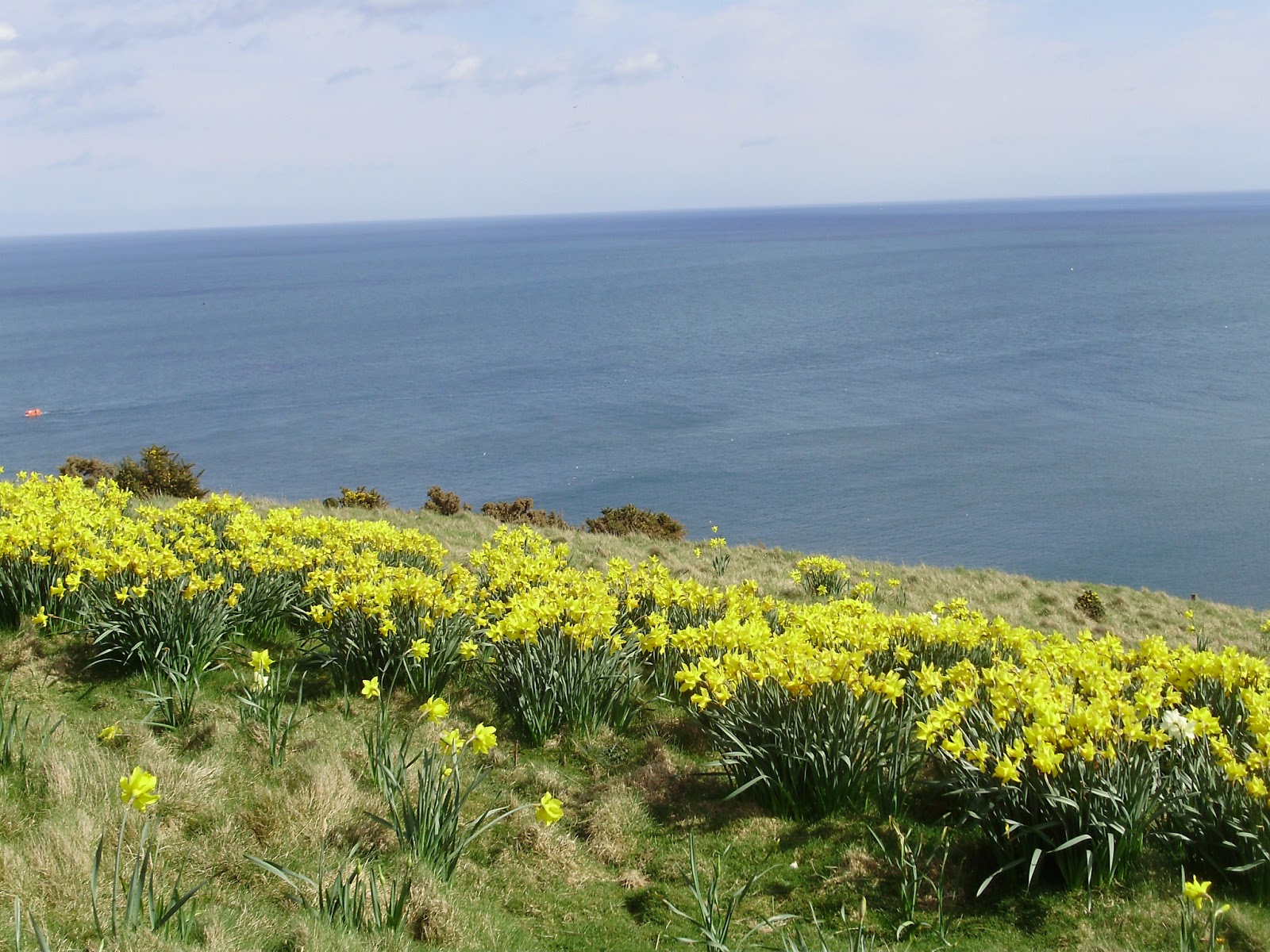
2011. gada aprīlis, Stonheivena, Aberdīnšīra, Skotija. Mēs ar Aline priecīgas siltumiņā vērojam Dunnottar pilsdrupas. Maija vējš, pilis un viņu drupas, kas mums nepavisam nav apnikušas, adiktīva kadiķu ziedu smarža, kafija pie jūras un savvaļas narcišu jūras, tas viss mums patīk.

^^^^^

The 8th of April 2011, Stonhaven, Aberdeenshire, Scotland. Aline and me happy and warm looking at the Dunnottar Castle ruins. Wind of may, castles and their ruins nowhere near to start to bore us, the addictive smell of juniper flowers, coffee at the beach and yellow seas of daffodils, we like that all.


Wednesday, February 6, 2013

Mēs abi šodien ēdām gaļu /// We both ate meat today

Es gribētu atcerēties ļoti daudzus dzirdētus dialogus. Viņi mēdz būt tik izteiksmīgi, absurdi un uzjautrinoši, ka man liekas, precīza to paturēšana prātā nāktu man par labu, taču ir grūti paturēt prātā precīzi. Un neprecīzi ne vienmēr ir pietiekami forši un vispār kaut kam der. Aptuvenas atmiņu nojausmas un iekonservētas sajūtas noder privātai kolekcijai, bet ar viņām nevar dalīties, un uz tāda rakstura dialogu atmiņām nevar īsti paļauties, ja iesaistīti nepazīstamie.

Šodien man autobusā pretī sēdēja tēvs ar mazu dēlu. Viņš bija saprātīgā vecumā, 4, 5 vai varbūt 6 gadus vecs, ar smalkiem vaibstiem un sīciņu balsi. Aizkustinošās filmās viņš droši vien tiktu novietots zēnu kora pirmajās rindās, lai  skatītājiem uzskatāmi būtu redzams mazais eņģels, kas nolaidies uz Zemes. Visu, ko puika teica, viņš nopīkstēja. Viņa tētim bija inteliģents izskats, starp abiem bija mierīga savstarpēja patika, un viņiem virsū spīdēja silti zeltaina gaisma - autobusa dzeltenais apgaismojums un lielā un mazā vīrieša gaiši haki jakas. Viņi lietoja maz vārdu, tāpēc es visu atceros. Viss, ko teica tētis, bija mierīgi ieinteresētā balsī, kas izklaidīgi apzinās sarunu biedra repliku komiskās un nopietnības iezīmes. Zēns runāja lietišķi pīkstīgā balstiņā, kas uz sarunas beigu auga sajūsmā.

Tētis: "Ko tu šodien ēdi?
Zēns: "Gaļu."
Tētis: "Balto vai kādu (..)? [es nedzirdēju frāzes beigas]
Zēns: "Es nezinu. Tādu plakanu."
Tētis: "Karbonādi?"
Zēns: "Nē. Viņa bija mīksta. Brūna un iekšā pelēka."
Tētis pasmaida.
Zēns: "Ko tu šodien ēdi?'
Tētis: "Es ēdu ceptu vistu, griķus un..."
Zēns: "Eūū, mēs abi šodien ēdām gaļu!"
Tētis: "Jā! Un vēl tādu ķīseli ar biezpiena sacepumu."


^^^^^
I wish I remembered lots of overheard and simply heard dialogues. They sometimes happen to come out extremely impressive, absurd or amusing which makes me think my well-being might prosper by keeping them in mind, although it's tricky to remember them precisely. Inaccurately isn't always enough, I'm not sure if it even counts at all. Approximate memories and feeling preserves can be handy for private collections, for all that they can't be shared. Neither is this sort of memory reliable when strangers are involved.

Today on the bus a dad and his little son were witting across me. He was at a reasonable age, 4, 5 or maybe 6 years old, with fine features and a tiny voice. In heart-melting movies he would be most probably placed in the front rows of a boys' choir for the spectators to clearly observe the little angel who's come to the Earth. Everything he said, he cheeped. His dad had got intelligent looks, there was a quiet mutual liking between them, and warm golden light was shining over them - the yellow lights of the bus and the light khaki parkas of the two different sized men. They didn't use many words, so I'm able to remember it all. Everything the dad said, was said in a quietly interested voice, which  in an absent manner was aware of his companion's replies comic and serious qualities. The boy spoke in a matter-of-fact cheeping voice, which grew into exaltation towards the end of the conversation.

Dad: What did you eat today?
Boy: Meat.
Dad: White meat or some (..)? [I didn't catch the end of the phrase]
Boy: I don't know. Something flat.
Dad: A schitzel?
Boy: No. It was soft. Brown, and grey inside.
Dad smiles.
Boy: What did you ate today?
Dad: I ate fried chicken, buckwheat and...
Boy: Ahh, we both ate meat today!
Dad: Yes! And some jelly with cottage cheese pudding.


Monday, January 7, 2013

Veltīts esmē - ar mīlestību un derdzību /// For Esmé and in existence - with Love and Squalor

Es staigāju pa dzīvokli, nožāvājos un domāju par Esmē no Selindžera stāsta. Jānis man vienreiz ne no šā, ne no tā atrakstīja vēstuli, kurā viņš dalījās ar saviem literārajās gaitās piedzīvotiem blakus mirkļiem. Jānis maz lasa grāmatas, kuras nav par filozofiju, taču filozofijas studijas viņam ir iemācījušas izlasīt daiļliteratūras tekstus ar vienu reizi un nemeklēt apslēptas idejas katrā rindkopā.
Pirms pāris gadiem es viņam biju aizdevusi Selindžera "Deviņus stāstus", un salīdzinoši nesen viņš viņus visus izlasīja.


"Es vakar lasīju Selindžeru un sapratu!!!

TU MAN ĻOTI ATGĀDINI ESMĒ
meiteni no tā viena stāsta. Viņa ir tāda ļoti Elīnīga un pieļauju, ka 13 gadu vecumā tu biji tieši tāda pati. (jāatzīst stāsts šobrīd ir puslasīts, 'tāpēc ja beigās esmē izrādās riebīga, tad lūdzu nepārprast!)

p.s. sākumā man šķita ka šis stāstiņš būs par esmi, nevis meiteni Esmē! :D "


Es gāju cauri istabai, domāju par Esmē un Jāni, kurš viņu izlasīja, un uz plaukta zili un nekustīgi gulēja "Deviņi stāsti", kurus es sen nebiju redzējusi, par kuriem es nesen biju domājusi, un par ko es tobrīd domāju. Man Jānis viņus devis nebija, acīmredzot Jānis grāmatu bija iedevis Lāsmai, taču tajā mirklī tā likās visai maģiska saslēgšanās.
Stāstu par Esmē es nebiju lasījusi vairākus gadus; es īsti nezināju, ko man domāt par Jāņa asociācijām. Kad es lasīju stāstu, man Esmē nepatika, mani kaitināja, kā viņa žāvājas. "Bet tā Esmē ir tieši kā Elīna - viens pret vienu!" Jānis kaut kad vēlāk izmeta. Es sāku lasīt ar cerību, ka Esmē neizrādīsies riebīga, un ka viņa mani tomēr nekaitinās.

Es sāku lasīt, sākums man patika, tāds dzidrs pelēkums un šķaidīts skumīgums, bet sākumā bija tikai par to amerikāņu kareivi, kurš vienreiz Esmē kafejnīcā satika. Es tiku pāri žāvāšanās vietai; vēl nebiju nokaitināta. Izlasīju Esmē apģērba raksturojumu, un iespējamā kaitināšana vairs nešķita diez cik iespējama.
"Nākamais, ko es atceros, ir jaunā dāma, kas apskaužami izturēti stāv pie mana galdiņa. Viņai mugurā bija rūtaina vilnas auduma kleita - ja nemaldos, Kempbelu krāsās. Man šķita, kas tas ir brīnišķīgs tērps ļoti jaunai dāmai valkāšanai lietainā, lietainā dienā."*
Tas patiesi ir brīnišķīgs tērps lietainai, lietainai dienai, un Kempbelu rūtojums ir mans mīļākais rūtojums. Starp citu, nav gluži tā, ka es tikai uz drēbēm uzķeros.

Apstāklis, ka Jānis iesākumā domāja, ka lasīs par esamību, nevis meiteni ar normālu vārdu, ir teju piemīlīgs, es gribētu teikt. Kāds acīmredzami ir vairāk lasījis filosofiska rakstura literatūru, nevis daiļliteratūru parasto. Pēc kāda laika Jānim ļoti patika "Trīs draugi", bet par tiem mēs pat sīciņāko sarunu nevarējām noturēt, jo es neesmu lasījusi.

Tomēr man patīk tikai mīlestība, kamēr Esmē patika arī derdzība. Man patīk, ka viņai patīk abi.


* Dž. D. Selindžers. Veltīts Esmē - ar mīlestību un derdzību, "Deviņi stāsti".


^^^^^

I was headed to my room, I yawned, I was thinking about Esmé from the story of Salinger. Janis once out of a clear blue sky sent me a letter sharing his moments he had experienced while reading real literature. Janis doesn't really read books that don't cover philosophical topics, still philosophical studies have taught him to read fiction and succeed by a single attempt, and also not to look for hidden ideas and meanings in every single paragraph.
A couple of years ago I had lent him J.D. Salinger's "Nine Stories". Quite recently he read them all.


"Yesterday I was reading Salinger and realized!!!

YOU REMIND ME OF ESME A LOT
a girl from that story. She's quite a lot Elina-like and I assume, that at the age of 13 you were exactly as her. (I have to admit that at this moment the story is only halfway finished, therefore if at the end Esmé turns out to be repulsive, please, don't take it the wrong way!)

p.s. at first I thought that this story would be about the existence, not a girl named Esmé! :D "
[This is due to the grammatical homonyms in Latvian language - "Esmē" is a female name, whilst "esmē" means "in existence".]


I walked through the living room, thinking about Esmé and Janis, who had just read about her, and in a blue and still manner "Nine Stories" were lying on the shelf. I hadn't seen them for a long time, I had been thinking about them quite recently, and I was thinking of them at that moment. Janis didn't give that book to me, obviously he handed it to Lasma, for all that at that moment it seemed to be a magic coincidence.
I hadn't read the story about Esmé for years; I didn't quite know what to think about the associations of Janis. When I was reading the story, I didn't like Esmé, I was irritated by the way she yawned. "But that Esmé is exactly like Elina - one-to-one!" Janis once a little bit later said. I opened the book, hoping that Esmé wouldn't turn out repulsive, and that she didn't irritate me.

I started to read, and I liked the beginning - there was some kind of clear greyness and diluted sadness, although the beginning only covered the American soldier, who once met Esmé in a café. I got past the yawning sequence; I didn't feel annoyed yet. I read the description of the clothes Esmé was wearing, and the probable irritation seemed pretty improbable.
"The next thing I knew, the young lady was standing, with enviable poise, beside my table. She was wearing a tartan dress - a Campbell tartan, I believe. It seemed to me to be a wonderful dress for a very young girl to be wearing on a rainy, rainy day."*
That is for sure a wonderful dress for a rainy, rainy day, and the Campbell tartan is my favorite tartan. By the way, it is not quite so that I always fall for the bait in the shape of clothes.

The fact that at first Janis thought he would be reading about existence, not a girl with a normal name, is almost sweet, I'd like to remark. Apparently someone has read way more philosophical stuff than the common and ordinary fiction. At some point later Janis was quite fond of "Three friends", however we couldn't hold even the tiniest conversation about it, since I hadn't read it.

Still, I only like love, whereas Esmé liked squalor too. I like that she likes both.


* J.D. Salinger. For Esmé – with Love and Squalor, "Nine Stories"


Monday, December 31, 2012

Svešas mantas istabā /// The things in my room that are not mine

Kad istaba ir kārtīga un vairs neož pēc svešām mantām, pēkšņi ir kļuvis tik daudz laika; vairs nav jāizvairās no savas istabas un jādzīvo ar vainīgu apziņu par viņas nesakārtotību. Ziemassvētku brīnumiņš gandrīz. Svešām mantām lielos daudzumos piemīt zināms derdzīgums. Tas, ka viņas uzdrošinās nesmaržot pēc manas istabas, un ir tik neiederīgas, un, ja lietas nevienam īsti nepieder, nav nekāda saudzīguma un viegla mīļuma. Man patīk kārtot savas drēbes, pieskarties audumam un sīciņu brīdi domāt par viņu raksturu un visu, par ko man viņas liek domāt. Tā nav gluži laika pavadīšana viņās un ar viņām, drīzāk priecīga sasveicināšanās ar apskāvienu.
26. decembris man vispār ļoti patīk, jo tad neko nevajag darīt, tikai ēst mandarīnus un skatīties filmas. Mēs ar tēti šodien skatījāmies vienu un to pašu filmu, divatā un mērķtiecīgi, viņš ne reizi pat neiesnaudās. Tas tā neierasti. Šajās dienās man patīk Japānas dabiņa.

^^^^^
When my room is cleaned up and has ceased to spread foreign odours, all of a sudden I have got plenty of time. I don't have to avoid my room anymore, and now there's no need to feel guilty about not having cleaned it up. Almost a Christmas miracle. Foreign odours in noticeable amounts have their share of disgust. They dare to not smell like my very own room, they don't fit in. Also when things don't really belong to anyone, I don't feel any lenient to them nor fond of those things. I enjoy putting in order my own clothes, touching the fabric and for a wee bit of time reflecting on the character of the clothes and everything they make me think of. It's not exactly spending time in and with them, it's rather a cheerful saying hello which includes a hug.
I like the 26th of December in general, 'cause there's nothing that has to be done unless it's eating mandarins and watching movies. Today me and dad, we were watching the same movie, together and purposefully. He didn't even fall asleep, not even once. That's quite uncommon. These days I like Japan's nature.


manas un mīļas drēbes /// clothes, dear and mine


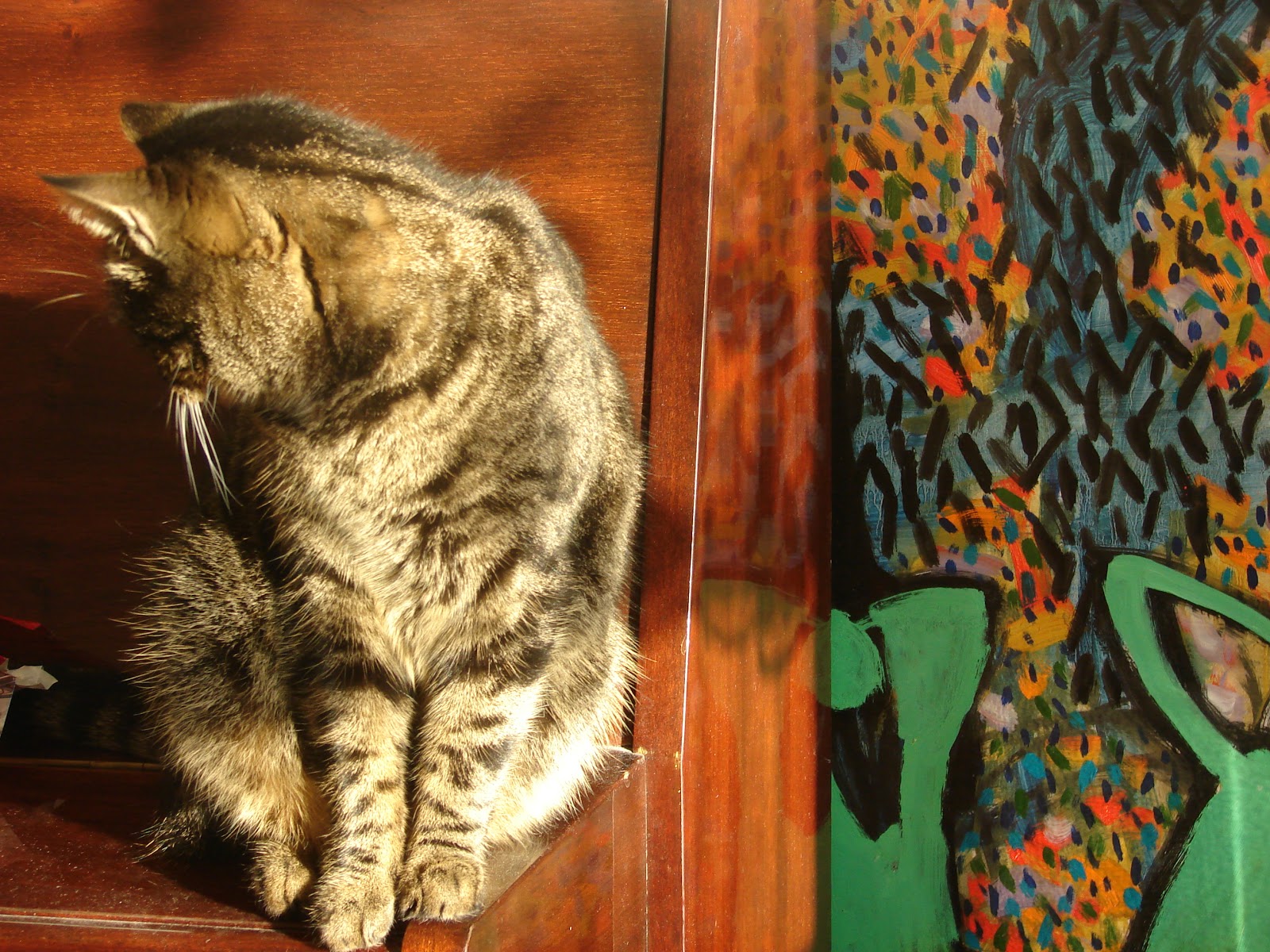
mans un mīļs kaķis /// cat, dear and mine